4th grade multi-digit multiplication
Quick answer
In 4th grade (ages 9–10), children multiply up to four-digit numbers by one digit and two-digit numbers by two digits. Start with Math Antics "Multi-Digit Multiplication", then area model and box method lessons from Math with Mr. J and a Numberock song. Play all on repeat, or loop one worked example.
Videos in this playlist
- 1
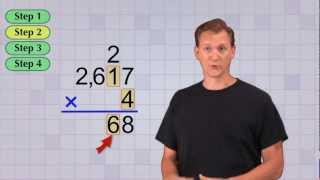 Math Antics - Multi-Digit Multiplication Pt 1mathanticsPlay from here Loop
- 2
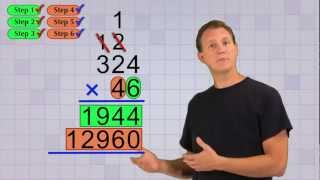 Math Antics - Multi-Digit Multiplication Pt 2mathanticsPlay from here Loop
- 3
 Multiplication Trick: Multiples of 10 and Place Value Patterns!Mashup MathPlay from here Loop
- 4
 Distributive Property of Multiplication Explained!Mashup MathPlay from here Loop
- 5
 The Distributive Property In ArithmeticmathanticsPlay from here Loop
- 6
 The Properties of Multiplication Song | 3rd Grade - 4th GradeNumberockPlay from here Loop
- 7
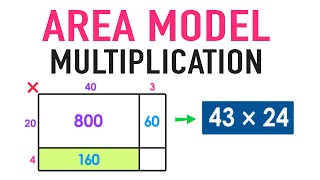 Area Model Multiplication Explained!Mashup MathPlay from here Loop
- 8
 Box Method Multiplication | 2-Digits x 2-Digits | Math with Mr. JMath with Mr. JPlay from here Loop
- 9
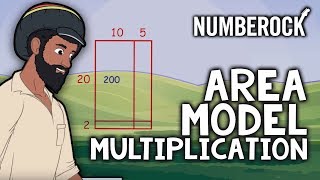 Area Model Multiplication Song | Multiplying with Partial ProductsNumberockPlay from here Loop
- 10
 Multiplication Strategies for Kids | It’s Easy With Twinkl | Twinkl USATwinkl Teaching Resources - United StatesPlay from here Loop
- 11
 1-Digit Multiplication: A Step-By-Step Review | Multiplying by a 1-Digit Number | Math with Mr. JMath with Mr. JPlay from here Loop
- 12
 3-Digit by 1-Digit Multiplication | Math with Mr. JMath with Mr. JPlay from here Loop
- 13
 2-Digit by 2-Digit Multiplication | Math with Mr. JMath with Mr. JPlay from here Loop
- 14
 2-Digit Multiplication: A Step-By-Step Review | Multiplying by a 2-Digit Number | Math with Mr. JMath with Mr. JPlay from here Loop
- 15
 Multiplication: A Step-By-Step Review | How to Multiply | Math with Mr. JMath with Mr. JPlay from here Loop
- 16
 Long Multiplication Song | Multi-Digit MultiplicationNumberockPlay from here Loop
What does this 4th grade multiplication unit cover?
It introduces multiplying by multiples of 10, the distributive property, the area model and partial products, then the standard method for 3-digit by 1-digit and 2-digit by 2-digit problems. By the end a child should multiply 34 × 27 and explain each partial product.
How does RepeatWatch help with long multiplication?
Set an A–B loop on one worked example and copy it step by step on paper. Slow a tricky regrouping step to 0.75×, save the area model and standard method parts on keys 1–9, and use Repeat one on the Numberock song for practice.
Frequently asked questions
What grade learns multi-digit multiplication?
In the US, multiplying up to 4-digit by 1-digit and 2-digit by 2-digit numbers is usually taught in 4th grade (ages 9–10), and fluency with the standard method comes in 5th grade. Grade levels vary by country and school.
Why learn the area model before the standard method?
The area model shows why multiplication works: each box is one partial product, using place value. Once a child sees that, the shorter standard method makes sense. Stop after a few loops of a video, then practice two or three problems on paper.