Money: make it, keep it, grow it, protect it
Quick answer
RepeatWatch gathers free money lessons from trusted educators into one place: how to earn more, budget and save, clear debt, build credit, invest for the long term, plan for retirement and protect what you have. Start with the step-by-step path, and loop any explanation until it makes sense.
Try , , , , , , or browse all playlists.
Your money map
- 1Make itEarn more from your work: salary, career growth, skills and honest side income.4 playlists
- 2Keep itBudget, save, clear debt, build credit, bank smart and avoid scams.9 playlists
- 3Grow itInvest for the long term: index funds, stocks, bonds, retirement and compounding.6 playlists
- 4Protect itInsurance, wills and estate planning, and keeping your identity safe.3 playlists
Start here: a first money plan, step by step
Spend less than you earn, build a cushion, clear expensive debt, then let time and compounding work for you.

See how compounding grows savings
Change the numbers to see how regular saving and time add up. Growth earns growth, which is why starting early matters.
After 20 years43,816
You put in 25,000 Growth 18,816
An illustration, not a prediction. Real returns go up and down, can be negative, and are never guaranteed. Fees, taxes and inflation reduce what you keep. Works in any currency.
Make it
Earn more from your work: salary, career growth, skills and honest side income. Want to start something of your own? See business lessons.


Keep it
Budget, save, clear debt, build credit, bank smart and avoid scams.
 Budgeting
 Saving money
 Emergency fund
 Getting out of debt
 Credit scores and credit
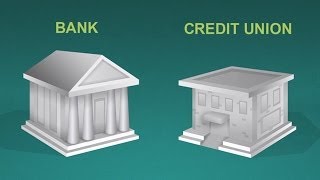 Banking basics
 Frugal living
 Avoiding money scams
 Taxes explained
- Guaranteed or very high returns with “no risk”.
- Pressure to decide today, or to keep it secret from family.
- Requests to pay in crypto, gift cards, or by mobile money to a stranger.
- Someone you met online asking you to invest or to send money.
- Messages asking for your PIN, password or one-time code. Real banks never ask.
Grow it
Invest for the long term: index funds, stocks, bonds, retirement and compounding.




Protect it
Insurance, wills and estate planning, and keeping your identity safe.


Money at every stage
Kids, teens and students, couples, financial independence and money mindset.


How money works
Inflation, central banks and the economy, and personal finance in Africa.


How to learn money with RepeatWatch
- Loop one ideaDrag A and B around one explanation, like how interest is charged or how a credit score works, until it clicks.
- Slow down for notesPlay at 0.75× while you write down the steps of your own plan.
- Save the stepsSave sections of a long lesson and jump to them with keys 1–9.
- Make it a coursePress Play all on repeat on a playlist and work through it a little each day.
Learning only, not financial advice. Accounts, taxes and laws differ by country. For personal decisions, consider a qualified, regulated adviser.
Frequently asked questions
Where should I start with money?
Follow the start-here path: make a budget, start saving, build an emergency fund, pay down expensive debt and understand credit. Then learn the basics of long-term investing and retirement.
Is this financial advice?
No. These videos are for learning only. Accounts, taxes and laws differ by country, so for personal decisions consider a qualified, regulated financial adviser.
Why are there no trading or crypto videos?
We leave out day trading, forex, trading signals, crypto promotion and get-rich-quick content. Most people do better with simple, long-term, diversified and low-cost approaches, and those are what these playlists teach.
Who made these videos?
Public educators and regulators such as Khan Academy, PBS Two Cents, the CFPB and MoneyHelper, plus established finance journalists and evidence-based educators. Every video is checked to make sure it plays.