Banking basics: accounts, fees and safety
Quick answer
Start with what a bank actually does, then learn to choose an account and avoid costly fees. The FTC and CFPB explain accounts, prepaid cards and payday loans, the Bank of England covers deposit safety, and Two Cents compares credit unions with big banks. Press Play all on repeat to work through it like a course.
Videos in this playlist
- 1
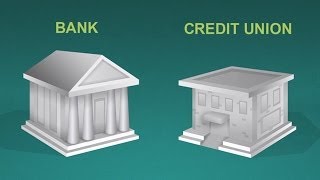 Bank Accounts - Personal Finance Tips | Federal Trade CommissionFTCvideosPlay from here Loop
 - 2
 Are credit unions better than big banks?Two CentsPlay from here Loop
 - 3
 Banks vs Credit Unions: What's The Difference And Better Choice? | NerdWalletNerdWalletPlay from here Loop
 - 4
 What Do Banks Do?Marginal Revolution UniversityPlay from here Loop
 - 5
 Banks vs. Alternatives | Personal Finance 101Federal Reserve Bank of St. LouisPlay from here Loop
 - 6
 Neobanks Explained: Why It's Not a Bank | NerdWalletNerdWalletPlay from here Loop
 - 7
 How do I know that my money is safe? | Money MattersBank of EnglandPlay from here Loop
 - 8
 Who pays the price when a bank goes bust?Bank of EnglandPlay from here Loop
 - 9
 How to choose the best bank accountWhich?Play from here Loop
 - 10
 Helpful Tips When Shopping for a New Bank | NerdWalletNerdWalletPlay from here Loop
 - 11
 Where’s the best place to put my money? | Money MattersBank of EnglandPlay from here Loop
 - 12
 The 4 Savings Accounts Everyone Needs | The Financial DietThe Financial DietPlay from here Loop
 - 13
 Is the Savings Account Dead?Two CentsPlay from here Loop
 - 14
 Where To Park Your Cash | NerdWalletNerdWalletPlay from here Loop
 - 15
 Saving vs Investing: The Smartest Place For Your Money | NerdWalletNerdWalletPlay from here Loop
 - 16
 CD Accounts Explained | Finance 101NerdWalletPlay from here Loop
 - 17
 4 Things You Need To Know About CDs | NerdWalletNerdWalletPlay from here Loop
 - 18
 How Inflation Impacts Your Bank Account | NerdWalletNerdWalletPlay from here Loop
 - 19
 Real Interest Rates | Personal Finance 101Federal Reserve Bank of St. LouisPlay from here Loop
 - 20
 Cashing a Paycheck - Personal Finance Tips | Federal Trade CommissionFTCvideosPlay from here Loop
 - 21
 Cashier's Check Explained: How To Pay Bills Securely | NerdWalletNerdWalletPlay from here Loop
 - 22
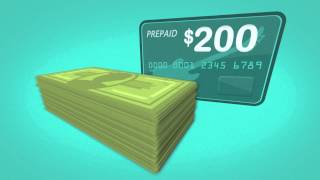 Prepaid Cards - Personal Finance Tips | Federal Trade CommissionFTCvideosPlay from here Loop
 - 23
 Prepaid protections — consumerfinance.govcfpbvideoPlay from here Loop
 - 24
 How do digital payments work? | Money MattersBank of EnglandPlay from here Loop
 - 25
 Mobile Banking Safety: How to Protect Your Finances Online | NerdWalletNerdWalletPlay from here Loop
 - 26
 Should Couples Share Bank Accounts? - Joint Accounts ExplainedNerdWalletPlay from here Loop
 - 27
 How Can I Avoid Hidden Fees?Two CentsPlay from here Loop
 - 28
 Banks are Ditching Overdraft FeesNerdWalletPlay from here Loop
 - 29
 Payday Lending - Personal Finance Tips | Federal Trade CommissionFTCvideosPlay from here Loop
 - 30
 Payday Loans Explained — consumerfinance.govcfpbvideoPlay from here Loop
 - 31
 You need $500. How should you get it?VoxPlay from here Loop
 - 32
 Car Title Loans - Personal Finance Tips | Federal Trade CommissionFTCvideosPlay from here Loop
What does a bank account actually do for me?
It gives you a safe place to keep money, receive your pay and pay bills without carrying cash. Savings accounts and certificates of deposit pay some interest. In many countries deposits are protected up to a limit by a government scheme, so check whether your bank or credit union is covered.
How can RepeatWatch help me learn this?
Treat Play all on repeat as a short course and watch a few videos a day. Slow a video to 0.75× to note fees and account features, A–B loop the part on overdrafts or deposit protection, and save the steps for comparing banks on keys 1–9 so you can jump back while you shop around.
Frequently asked questions
Bank, credit union or online bank: which is best?
It depends on fees, access and protection where you live. Credit unions are member-owned and often cheaper, big banks have more branches and ATMs, and online banks or apps may pay more interest. Check that any provider is licensed and that your deposits are protected before moving money.
Why do the videos warn about payday and car title loans?
These short-term loans can carry very high costs and are easy to roll over into more debt. The FTC and CFPB videos explain how they work and what to compare first, such as a credit union loan, a payment plan with the biller or local help services.