Kindergarten measuring and sorting videos
Quick answer
In kindergarten (ages 5–6), children compare objects by length and height, then sort things into groups and count each group. Scratch Garden's "Measuring!", Khan Academy's "Comparing lengths" and "Count by category", and Kids Academy sorting games. Play all on repeat for a lesson, or loop one example.
Videos in this playlist
- 1
 Measuring! | Mini Math Movies | Scratch GardenScratch GardenPlay from here Loop
- 2
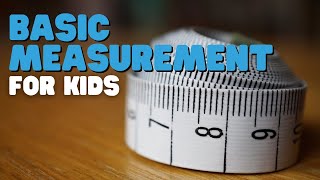 Basic Measurement For Kids | Learn about Height, Length, and WidthLearn BrightPlay from here Loop
- 3
 Comparing lengths | Measurement and data | Early Math | Khan AcademyKhan AcademyPlay from here Loop
- 4
 Comparing Length for Kids | It's Easy with Twinkl | Twinkl USATwinkl Teaching Resources - United StatesPlay from here Loop
- 5
 Order by length | Measurement and data | Early Math | Khan AcademyKhan AcademyPlay from here Loop
- 6
 Categorizing and Sorting Objects | It's Easy With Twinkl | Twinkl USATwinkl Teaching Resources - United StatesPlay from here Loop
- 7
 Count by category | Counting | Early Math | Khan AcademyKhan AcademyPlay from here Loop
- 8
 Same and Different for Preschool and Kindergarten | Sorting and Matching ActivitiesKids AcademyPlay from here Loop
- 9
 Sorting by Color and Size | Preschool & Kindergarten Math Games | Kids AcademyKids AcademyPlay from here Loop
- 10
 Sorting Objects and Counting for Kids | Sorting Games for Preschool & Kindergarten | Kids AcademyKids AcademyPlay from here Loop
- 11
 Sort the Same Group Two Different Ways | Preschool and Kindergarten | Kids AcademyKids AcademyPlay from here Loop
- 12
 Matching, Sorting & Logic Games and Activities | Preschool & Kindergarten | Kids AcademyKids AcademyPlay from here Loop
What does this kindergarten measuring and sorting unit cover?
It covers describing objects as longer, shorter, taller or heavier, comparing two objects directly, ordering by length, and sorting objects by color, size or shape before counting each group. By the end, a child should compare two objects and sort and count a small collection.
How does RepeatWatch help with measuring and sorting?
Set an A–B loop on one comparison, such as two pencils side by side, and pause to try it with real objects. Slow a lesson to 0.75×, save each activity on keys 1–9, and use Stop after N loops to keep screen time short.
Frequently asked questions
Do kindergartners measure with rulers?
Mostly not yet. Kindergartners compare objects directly, side by side, and use words like longer and shorter. Measuring with units, and later rulers, comes in 1st and 2nd grade. Twinkl's ruler lesson is in a later grade playlist.
Does this playlist cover heavier and lighter?
Only briefly, inside the general measuring lessons. We could not find enough strong videos about weight from trusted channels, so try it at home: hold two objects and ask which feels heavier.