6th grade human body systems videos
Quick answer
This 6th grade body systems playlist (ages 11–12) covers how cells form tissues and organs, then the digestive, circulatory, respiratory and nervous systems, with Amoeba Sisters, TED-Ed's "How your digestive system works" and FuseSchool. Play all on repeat as a review, or loop one system until each organ's job makes sense.
Videos in this playlist
- 1
 Human Body Systems Video Lesson For Kids | Science Lesson for Grades 3-5 | Mini-ClipGenerationGeniusPlay from here Loop
- 2
 Human Body Systems Overview (Updated 2024)Amoeba SistersPlay from here Loop
- 3
 Organization of multicellular organisms | High school biology | Khan AcademyKhan AcademyPlay from here Loop
- 4
 Human Body 101 | National GeographicNational GeographicPlay from here Loop
- 5
 Body Tissues (the 4 Types)Amoeba SistersPlay from here Loop
- 6
 The Digestive System for Kids | A fun engaging overview of what happens when we eat!Learn BrightPlay from here Loop
- 7
 Digestion - What Is It? | Physiology | Biology | FuseSchoolFuseSchool - Global EducationPlay from here Loop
- 8
 How your digestive system works - Emma BryceTED-EdPlay from here Loop
- 9
 Digestive SystemAmoeba SistersPlay from here Loop
- 10
 Circulatory System for Kids | Learn all about how blood travels through the bodyLearn BrightPlay from here Loop
- 11
 The Human Heart for Kids | Educational video to learn all about how the heart worksLearn BrightPlay from here Loop
- 12
 Intro to the Circulatory System | Biology | Physiology | FuseSchoolFuseSchool - Global EducationPlay from here Loop
- 13
 How the heart actually pumps blood - Edmond HuiTED-EdPlay from here Loop
- 14
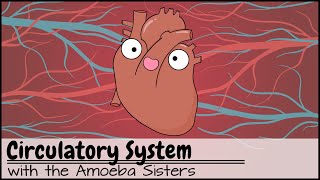 Circulatory System and Pathway of Blood Through the HeartAmoeba SistersPlay from here Loop
- 15
 Heart 101 | National GeographicNational GeographicPlay from here Loop
- 16
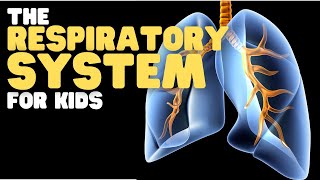 The Respiratory System for KidsLearn BrightPlay from here Loop
- 17
 Respiratory System - Introduction | Physiology | Biology | FuseSchoolFuseSchool - Global EducationPlay from here Loop
- 18
 How do lungs work? - Emma BryceTED-EdPlay from here Loop
- 19
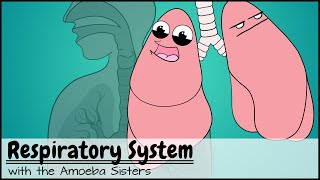 Respiratory SystemAmoeba SistersPlay from here Loop
- 20
 Lungs 101 | National GeographicNational GeographicPlay from here Loop
- 21
 The Brain for Kids | Learn cool facts about the human brainLearn BrightPlay from here Loop
- 22
 Introduction to The Brain | Physiology | Biology | FuseSchoolFuseSchool - Global EducationPlay from here Loop
- 23
 What are Nerve Cells, Neurons & Synapses? | Physiology | Biology | FuseSchoolFuseSchool - Global EducationPlay from here Loop
- 24
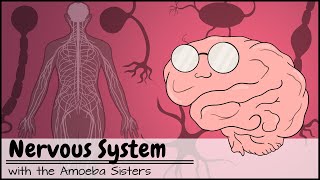 Nervous SystemAmoeba SistersPlay from here Loop
- 25
 Brain 101 | National GeographicNational GeographicPlay from here Loop
- 26
 Skeletal SystemAmoeba SistersPlay from here Loop
- 27
 Homeostasis and Negative/Positive FeedbackAmoeba SistersPlay from here Loop
- 28
 Human Body Systems: Before the Bell BiologyAmoeba SistersPlay from here Loop
What should a 6th grader know about body systems?
In 6th grade, students learn that the body is built from cells, tissues and organs working in systems. By the end of the unit they can explain how food is digested, how blood carries oxygen, how lungs exchange gases and how nerves send signals. Grade levels vary by country and school.
How does an A–B loop help with the path of blood through the heart?
Set an A–B loop on the part of Amoeba Sisters' circulatory system video that traces blood through the four chambers. Watching that one stretch three or four times, slowed to 0.75× if needed, makes the order of atria, ventricles, lungs and body much easier to draw from memory.
Frequently asked questions
In what order are the body systems covered?
The playlist opens with an overview of body systems and levels of organization, then moves through digestion, circulation, breathing and the nervous system. It ends with the skeleton, homeostasis and an Amoeba Sisters review, so the last videos work as a recap before a test.
Can I save sections of a long lesson for later?
Yes. Save an A–B section for each part, such as the stomach or the small intestine, and it is stored on the number keys 1–9. A student can jump straight back to it, and Stop after N loops keeps each review session short.
Are these videos from official channels?
Yes. Every video comes from the official Amoeba Sisters, TED-Ed, FuseSchool, Learn Bright, National Geographic, Khan Academy or Generation Genius channel. Videos play in YouTube’s player, so YouTube may show ads.