7th grade civics and government videos
Quick answer
In 7th grade (ages 12–13), students learn how democracy works, which rights citizens have, how a bill becomes a law and how elections run. This non-partisan playlist starts with Learn Bright, then adds TED-Ed and Crash Course Government. Repeat a lesson, or loop one step of lawmaking until it is clear.
Videos in this playlist
- 1
 Types of Government for Kids | Learn all about the different forms of governmentsLearn BrightPlay from here Loop
- 2
 What Is Democracy for Kids | Democracy explained for studentsLearn BrightPlay from here Loop
- 3
 How to understand power - Eric LiuTED-EdPlay from here Loop
- 4
 Introduction: Crash Course U.S. Government and PoliticsCrashCoursePlay from here Loop
- 5
 Laws and Rules for Kids | What is the difference between a rule and a law?Learn BrightPlay from here Loop
- 6
 Rights and Responsibilities for Kids | What is the difference?Learn BrightPlay from here Loop
- 7
 What are the universal human rights? - Benedetta BertiTED-EdPlay from here Loop
- 8
 Civil Rights & Liberties: Crash Course Government & Politics #23CrashCoursePlay from here Loop
- 9
 Freedom of Speech: Crash Course Government and Politics #25CrashCoursePlay from here Loop
- 10
 What happened to trial by jury? - Suja A. ThomasTED-EdPlay from here Loop
- 11
 The Bicameral Congress: Crash Course Government and Politics #2CrashCoursePlay from here Loop
- 12
 How a Bill Becomes a Law: Crash Course Government and Politics #9CrashCoursePlay from here Loop
- 13
 Presidential Power: Crash Course Government and Politics #11CrashCoursePlay from here Loop
- 14
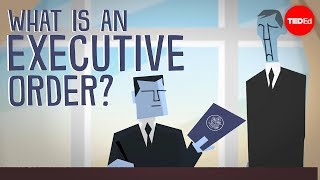 How do executive orders work? - Christina GreerTED-EdPlay from here Loop
- 15
 Structure of the Court System: Crash Course Government and Politics #19CrashCoursePlay from here Loop
- 16
 Judicial Review: Crash Course Government and Politics #21CrashCoursePlay from here Loop
- 17
 State and local government | US government and civics | Khan AcademyKhan AcademyPlay from here Loop
- 18
 🇺🇸 Election Day for Kids | 4 November | Voting Process | Democracy for Kids | Twinkl USATwinkl Teaching Resources - United StatesPlay from here Loop
- 19
 Election Basics: Crash Course Government and Politics #36CrashCoursePlay from here Loop
- 20
 What Is the Electoral College? | Electoral college explained for kidsLearn BrightPlay from here Loop
- 21
 Does your vote count? The Electoral College explained - Christina GreerTED-EdPlay from here Loop
- 22
 The fight for the right to vote in the United States - Nicki Beaman GriffinTED-EdPlay from here Loop
- 23
 Why do Americans vote on Tuesdays?TED-EdPlay from here Loop
- 24
 Political Parties: Crash Course Government and Politics #40CrashCoursePlay from here Loop
- 25
 How false news can spread - Noah TavlinTED-EdPlay from here Loop
- 26
 How to spot misinformation | Democracy today | US government and civics | Khan AcademyKhan AcademyPlay from here Loop
What should a 7th grader be able to do after this unit?
Compare types of government, explain rights and responsibilities of citizens, describe how Congress, the president and the courts each shape laws, outline how elections and the Electoral College work, and spot misleading information. Grade levels vary by country and school.
How does RepeatWatch help with how a bill becomes a law?
Set an A–B loop on each step, from introducing a bill to the president signing it, and replay it while a student draws a flowchart. Slow it to 0.75× for new terms and save each step on keys 1–9.
Frequently asked questions
Is this playlist politically neutral?
Yes. The videos explain how government, rights and elections work, not who to vote for. They come from education channels such as Learn Bright, Twinkl USA, TED-Ed, Khan Academy and Crash Course.
Are these videos from official channels?
Yes. Every video comes from the official Learn Bright, Twinkl USA, TED-Ed, Khan Academy or Crash Course channel. Videos play in YouTube’s player, so YouTube may show ads.