7th grade research and media literacy
Quick answer
In 7th grade (ages 12–13), students research questions using several credible sources and learn to judge what they read online. Lessons from Crash Course Navigating Digital Information, Khan Academy on primary and secondary sources, and TED-Ed "How to choose your news". Play all on repeat, or loop one tip.
Videos in this playlist
- 1
 Similarities and differences: primary and secondary sources | Reading | Khan AcademyKhan AcademyPlay from here Loop
- 2
 First and secondhand accounts | Reading | Khan AcademyKhan AcademyPlay from here Loop
- 3
 Similarities and differences: different accounts of the same topic | Reading | Khan AcademyKhan AcademyPlay from here Loop
- 4
 Introduction to Crash Course Navigating Digital Information #1CrashCoursePlay from here Loop
- 5
 The Facts about Fact Checking: Crash Course Navigating Digital Information #2CrashCoursePlay from here Loop
- 6
 Check Yourself with Lateral Reading: Crash Course Navigating Digital Information #3CrashCoursePlay from here Loop
- 7
 Who Can You Trust? Crash Course Navigating Digital Information #4CrashCoursePlay from here Loop
- 8
 Using Wikipedia: Crash Course Navigating Digital Information #5CrashCoursePlay from here Loop
- 9
 Evaluating Evidence: Crash Course Navigating Digital Information #6CrashCoursePlay from here Loop
- 10
 Evaluating Photos & Videos: Crash Course Navigating Digital Information #7CrashCoursePlay from here Loop
- 11
 Data & Infographics: Crash Course Navigating Digital Information #8CrashCoursePlay from here Loop
- 12
 Click Restraint: Crash Course Navigating Digital Information #9CrashCoursePlay from here Loop
- 13
 Social Media: Crash Course Navigating Digital Information #10CrashCoursePlay from here Loop
- 14
 Introduction to Media Literacy: Crash Course Media Literacy #1CrashCoursePlay from here Loop
- 15
 Media & the Mind: Crash Course Media Literacy #4CrashCoursePlay from here Loop
- 16
 Influence & Persuasion: Crash Course Media Literacy #6CrashCoursePlay from here Loop
- 17
 Media Skills: Crash Course Media Literacy #11CrashCoursePlay from here Loop
- 18
 How to choose your news - Damon BrownTED-EdPlay from here Loop
- 19
 How false news can spread - Noah TavlinTED-EdPlay from here Loop
- 20
 Why people fall for misinformation - Joseph IsaacTED-EdPlay from here Loop
- 21
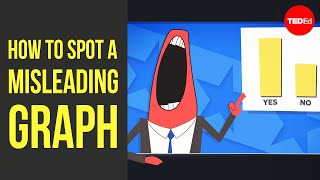 How to spot a misleading graph - Lea GaslowitzTED-EdPlay from here Loop
- 22
 How statistics can be misleading - Mark LiddellTED-EdPlay from here Loop
What does this 7th grade research and media literacy unit cover?
It introduces primary and secondary sources, fact checking and lateral reading, judging a source's credibility, reading photos, data and infographics with care, and how media and advertising try to persuade. By the end a student should choose trustworthy sources and explain why one source is stronger than another.
How does RepeatWatch help with research skills?
Set an A–B loop on one strategy, such as the lateral reading steps, and replay it while checking a real website. Slow a fast Crash Course episode to 0.75×, save each tip on keys 1–9, and use Stop after N loops to keep sessions short.
Frequently asked questions
Does this playlist cover plagiarism and citing sources?
It covers judging and comparing sources more than citation formats. Few established channels on our list teach plagiarism at a 7th grade level, so pair these videos with your school's citation guide and practice putting ideas in your own words.
Is Crash Course right for 7th graders?
Crash Course Navigating Digital Information is made for teens and moves quickly. Most 7th graders (ages 12–13) follow it well at 0.75× speed. Grade levels vary by country and school, so watch one episode together first.