7th grade human impact on Earth videos
Quick answer
This 7th grade human impact playlist (ages 12–13) covers natural resources, air and water pollution, plastics, deforestation, climate change and conservation, with National Geographic's "Plastics 101", TED-Ed's "What is the tragedy of the commons?" and Learn Bright. Play all on repeat, or loop one explanation for a class discussion.
Videos in this playlist
- 1
 Natural Resources for Kids | Teach your kids and students about Earths Natural ResourcesLearn BrightPlay from here Loop
- 2
 Resources: Welcome to the Neighborhood - Crash Course Kids #2.1Crash Course KidsPlay from here Loop
- 3
 How to Get Resources - Picky Pineapples: Crash Course Kids #2.2Crash Course KidsPlay from here Loop
- 4
 What is the tragedy of the commons? - Nicholas AmendolareTED-EdPlay from here Loop
- 5
 Human impacts on ecosystems | Biodiversity and human impacts | High school biology | Khan AcademyKhan AcademyPlay from here Loop
- 6
 Air Pollution for Kids | Learn about the Causes and Effects of Air PollutionLearn BrightPlay from here Loop
- 7
 Air Pollution 101 | National GeographicNational GeographicPlay from here Loop
- 8
 Water Pollution for Kids | Learn How to Keep Our Water CleanLearn BrightPlay from here Loop
- 9
 H2O-NO! - Fresh Water Problems: Crash Course Kids #33.1Crash Course KidsPlay from here Loop
- 10
 Watersheds and human activity | Middle school Earth and space science | Khan AcademyKhan AcademyPlay from here Loop
- 11
 Ocean systems, resources, and human activity | Middle school Earth and space science | Khan AcademyKhan AcademyPlay from here Loop
- 12
 Plastics 101 | National GeographicNational GeographicPlay from here Loop
- 13
 What really happens to the plastic you throw away - Emma BryceTED-EdPlay from here Loop
- 14
 How Plastic Pollution Impacts Our Oceans 🌊🐠: Endangered Species | FuseSchoolFuseSchool - Global EducationPlay from here Loop
- 15
 Climate 101: Deforestation | National GeographicNational GeographicPlay from here Loop
- 16
 How Deforestation Impacts Life 🌳🌍: The Truth Revealed! | FuseSchoolFuseSchool - Global EducationPlay from here Loop
- 17
 Extinct and Endangered Animals for Kids | What we can do to protect endangered speciesLearn BrightPlay from here Loop
- 18
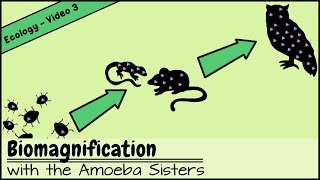 Biomagnification and the Trouble with ToxinsAmoeba SistersPlay from here Loop
- 19
 Burning Fossil Fuels and Climate Change | Environmental Chemistry | FuseSchoolFuseSchool - Global EducationPlay from here Loop
- 20
 Climate Change for Kids | A fun engaging introduction to climate change for kidsLearn BrightPlay from here Loop
- 21
 Light Pollution 101 | National GeographicNational GeographicPlay from here Loop
- 22
 Humans and ecosystems: how do vultures provide ecosystem services? | Khan AcademyKhan AcademyPlay from here Loop
- 23
 Recycling for Kids | Learn how to Reduce, Reuse, and RecycleLearn BrightPlay from here Loop
- 24
 Renewable Energy 101 | National GeographicNational GeographicPlay from here Loop
- 25
 Renewable Energy Video for Kids | Science Lesson for Grades 3-5 | Mini-ClipGenerationGeniusPlay from here Loop
- 26
 How to Conserve Water | National GeographicNational GeographicPlay from here Loop
- 27
 A Fresh Future: Crash Course Kids #33.2Crash Course KidsPlay from here Loop
- 28
 Water Fix!: Crash Course Kids #36.2Crash Course KidsPlay from here Loop
- 29
 Why Sustainability Matters 🌍: A Guide for Beginners| FuseSchoolFuseSchool - Global EducationPlay from here Loop
What does 7th grade human impact cover?
In 7th grade, students learn where natural resources come from and how human activity affects land, water, air and living things. After this unit they can explain causes of pollution and habitat loss and describe ways people conserve resources. Grade levels vary by country and school.
How can a teacher use loops in a lesson on pollution?
Save the key part of each video, such as how plastic reaches the ocean, as an A–B section on the number keys 1–9. During discussion, jump straight to that section and replay it, instead of searching through the whole video.
Frequently asked questions
Is the playlist balanced and age-appropriate?
Yes. The videos explain problems such as pollution and deforestation calmly, and many end with practical solutions like recycling, renewable energy and saving water. They come from National Geographic, TED-Ed, Khan Academy, FuseSchool, Crash Course Kids, Learn Bright and Generation Genius.
How can I keep sessions short?
Use Stop after N loops so a video plays a set number of times and then stops, or pick two or three videos from one part of the list, such as water use, and play them on repeat as a short review block.