4th grade text structure lessons
Quick answer
In 4th grade (ages 9–10), children learn how nonfiction is organized: chronology, comparison, cause and effect, and problem and solution. Start with Flocabulary's "The 5 Types of Text Structure" and Khan Academy "Comparing text structures", then Learn Bright and Crash Course Kids lessons. Play all on repeat, or loop one example.
Videos in this playlist
- 1
 The 5 Types of Text Structure | Educational Rap for Language Arts StudentsFlocabularyPlay from here Loop
- 2
 Comparing text structures | Reading | Khan AcademyKhan AcademyPlay from here Loop
- 3
 Understanding nonfiction: Crash Course Kids Literature #4Crash Course KidsPlay from here Loop
- 4
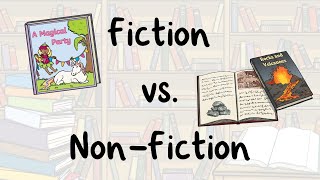 Fiction vs. Non-fiction for Kids | All About Text Features | Twinkl USATwinkl Teaching Resources - United StatesPlay from here Loop
- 5
 Fiction v. Nonfiction | Reading Comprehension | Khan Academy KidsKhan Academy KidsPlay from here Loop
- 6
 Cause and Effect for Kids | Cause and effect video with guided stories, worksheets, and activitiesLearn BrightPlay from here Loop
- 7
 Identifying Cause and Effect GameHave Fun TeachingPlay from here Loop
- 8
 Cause and Effect Song 🎵 | FUN Boom-Bap Reading SkillsHave Fun TeachingPlay from here Loop
- 9
 Compare and Contrast for Kids | Learn how to compare and contrast anything!Learn BrightPlay from here Loop
- 10
 Compare and Contrast Stories | Helping kids learn useful compare and contrasting skillsLearn BrightPlay from here Loop
- 11
 How to compare and contrast (Little Red Riding Hood): Crash Course Kids Literature #6Crash Course KidsPlay from here Loop
- 12
 Nonfiction Main Idea and Key Details for Kids | Reading Comprehension | It’s Easy With TwinklTwinkl Teaching Resources - United StatesPlay from here Loop
- 13
 Supporting a main idea with key details | Reading | Khan AcademyKhan AcademyPlay from here Loop
- 14
 Explaining ideas in informational texts | Reading | Khan AcademyKhan AcademyPlay from here Loop
- 15
 Referring to details in an informational text | Reading | Khan AcademyKhan AcademyPlay from here Loop
- 16
 Relationships between ideas in informational text | Reading | Khan AcademyKhan AcademyPlay from here Loop
- 17
 Comparing first- and secondhand accounts | Reading | Khan AcademyKhan AcademyPlay from here Loop
- 18
 Glossary Skills for Kids | How to Use a Glossary | Twinkl USATwinkl Teaching Resources - United StatesPlay from here Loop
- 19
 Graphic Organizers For Kids | Learn some ways to organize informationLearn BrightPlay from here Loop
- 20
 Author's Purpose SongHave Fun TeachingPlay from here Loop
- 21
 Fact and Opinion for Kids | What Is the Difference between Facts and Opinions?Learn BrightPlay from here Loop
What does this text structure unit cover?
It covers fiction and nonfiction, text features, and the main structures: sequence or chronology, compare and contrast, cause and effect, problem and solution, and description. By the end a child should name the structure of a passage and point to the signal words that show it.
How does RepeatWatch help with text structure?
Use Repeat one on the Flocabulary song to learn the five structures. Set an A–B loop on one passage and pause to find the signal words, such as because or however. Slow a passage to 0.75×, and save each structure on keys 1–9.
Frequently asked questions
What grade learns text structure?
In the US, describing the overall structure of an informational text is a 4th grade reading standard (ages 9–10), and comparing structures across texts follows in 5th grade. Grade levels vary by country and school.
How can we practice at home?
After a lesson, pick a short article or a page from a science book and ask which structure it uses and why. Graphic organizers, like a Venn diagram or a cause and effect chart, help. Stop after a few loops of a video.