6th grade early humans and first farmers
Quick answer
In 6th grade (ages 11–12), students learn how early humans lived as hunter-gatherers, spread across the world and then began farming. This playlist starts with FreeSchool and TED-Ed, adds Crash Course World History and Big History, and ends with crops, animals and the first villages. Repeat one lesson or loop a key idea for notes.
Videos in this playlist
- 1
 The History of Civilization for Kids: How Civilization Began - FreeSchoolFree SchoolPlay from here Loop
- 2
 Digging for humanity's origins - Louise LeakeyTED-EdPlay from here Loop
- 3
 Human Evolution: Crash Course Big History #6CrashCoursePlay from here Loop
- 4
 The biggest myths about Neanderthals - Bruce HardyTED-EdPlay from here Loop
- 5
 Migrations and Intensification: Crash Course Big History #7CrashCoursePlay from here Loop
- 6
 Explore cave paintings in this 360° animated cave - Iseult GillespieTED-EdPlay from here Loop
- 7
 What can you learn from ancient skeletons? - Farnaz KhatibiTED-EdPlay from here Loop
- 8
 A brief history of dogs - David Ian HoweTED-EdPlay from here Loop
- 9
 The Agricultural Revolution: Crash Course World History #1CrashCoursePlay from here Loop
- 10
 The history of the world according to corn - Chris A. KnieslyTED-EdPlay from here Loop
- 11
 Why is rice so popular? - Carolyn BeansTED-EdPlay from here Loop
- 12
 The history of the world according to cats - Eva-Maria GeiglTED-EdPlay from here Loop
- 13
 History through the eyes of a chicken - Chris A. KnieslyTED-EdPlay from here Loop
- 14
 The History of Stonehenge for Kids: Stonehenge for Children - FreeSchoolFree SchoolPlay from here Loop
- 15
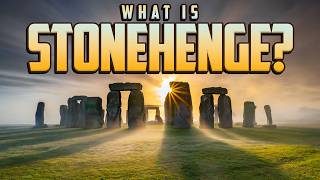 What is Stonehenge?Mr. DeMaioPlay from here Loop
- 16
 Paper, Wheels, and More: 5 Ancient Inventions Explained! @KidsAcademyCom Learning Videos For KidsKids AcademyPlay from here Loop
- 17
 How farming planted seeds for the Internet - Patricia RussacTED-EdPlay from here Loop
- 18
 Rethinking Civilization - Crash Course World History 201CrashCoursePlay from here Loop
- 19
 Ancient Mesopotamia for Kids | Learn all about the history of ancient MesopotamiaLearn BrightPlay from here Loop
What should a 6th grader be able to do after this unit?
Describe how Stone Age people found food, made tools and art, explain how and why humans migrated, and explain how farming and domesticated animals led to settled villages and, later, the first cities. Grade levels vary by country and school.
How does RepeatWatch help with a long history lesson?
Crash Course episodes pack a lot into ten minutes. Slow them to 0.75×, set an A–B loop on one idea such as why people started farming, and save sections on keys 1–9 so a student can return to each part when writing notes.
Frequently asked questions
Why are there videos about dogs, cats, corn and rice?
Each one tells part of the farming story. TED-Ed lessons on how people tamed dogs, cats and chickens and first grew corn and rice show what domestication means and how it changed the way people lived.
Are these videos from official channels?
Yes. Every video comes from the official FreeSchool, TED-Ed, Crash Course, Mr. DeMaio, Kids Academy or Learn Bright channel. Videos play in YouTube’s player, so YouTube may show ads.