Vegetable and greenhouse farming as a business
Quick answer
A free course on growing vegetables to sell. It covers soil testing and nurseries with Penn State Extension and Access Agriculture, greenhouse hydroponics with UF/IFAS, pest control, then selling to wholesale buyers with Cornell Small Farms. Shamba Shape Up shows it on Kenyan and Ugandan farms. Press Play all on repeat, or A–B loop one step.
Videos in this playlist
- 1
 Shamba Shape Up Uganda Series 3-Ep 10: Horticulture, Value Addition, Manure& Record Keeping(English)AKZ TV - AfricaknowledgezonePlay from here Loop
 - 2
 How to Take a Soil SamplePenn State ExtensionPlay from here Loop
 - 3
 Reading a Soil Test ReportPenn State ExtensionPlay from here Loop
 - 4
 The onion nursery (Summary)Access AgriculturePlay from here Loop
 - 5
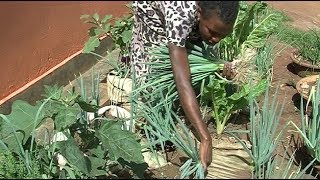 Using sack mounds to grow vegetables (Summary)Access AgriculturePlay from here Loop
 - 6
 Staking tomato plants (summary)Access AgriculturePlay from here Loop
 - 7
 Shamba Shape Up Series15-Ep 9:Water storage,Drip Irrigation,Compost&ConservationAgriculture(English)AKZ TV - AfricaknowledgezonePlay from here Loop
 - 8
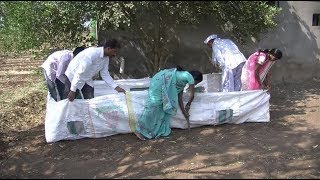 Making a vermicompost bed (Summary)Access AgriculturePlay from here Loop
 - 9
 High Tunnel Structures: Types of High TunnelsPenn State ExtensionPlay from here Loop
 - 10
 Hydroponics - Soilless Systems and ContainersUF IFASPlay from here Loop
 - 11
 Hydroponics - Media OverviewUF IFASPlay from here Loop
 - 12
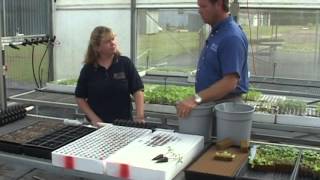 Hydroponics - SeedingUF IFASPlay from here Loop
 - 13
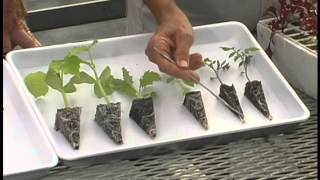 Hydroponics - TransplantsUF IFASPlay from here Loop
 - 14
 Hydroponics - Nutrient ConsiderationsUF IFASPlay from here Loop
 - 15
 Hydroponics - Delivery System OverviewUF IFASPlay from here Loop
 - 16
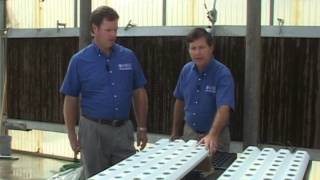 Hydroponics - Nutrient Film TechniqueUF IFASPlay from here Loop
 - 17
 Hydroponics - Floating SystemsUF IFASPlay from here Loop
 - 18
 Hydroponics - Crop ChoicesUF IFASPlay from here Loop
 - 19
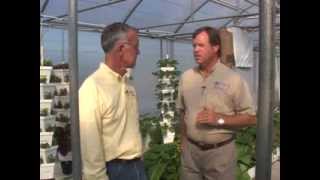 Hydroponics - Greenhouse ConcernsUF IFASPlay from here Loop
 - 20
 Managing aphids in beans and vegetables (Summary)Access AgriculturePlay from here Loop
 - 21
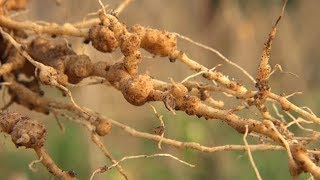 Managing root knot nematodes in vegetables (Summary)Access AgriculturePlay from here Loop
 - 22
 Managing onion diseases (Summary)Access AgriculturePlay from here Loop
 - 23
 Hydroponics - Managing Greenhouse PestsUF IFASPlay from here Loop
 - 24
 Agri Astuces: Crop diseases, when organic farming comes to the rescue of vegetable producersAgribusiness TVPlay from here Loop
 - 25
 Shamba Shape Up Uganda Series 3 - Ep 22: Pest & disease, Push & Pull, Cabbage and Chemicals(English)AKZ TV - AfricaknowledgezonePlay from here Loop
 - 26
 Shamba Shape Up Series 16 – Episode 12: Tomatoes, Sprayer and Calf Management (Eng)AKZ TV - AfricaknowledgezonePlay from here Loop
 - 27
 Tomato HarvestingPenn State ExtensionPlay from here Loop
 - 28
 How to make a cooling chamber for tomatoes (Summary)Access AgriculturePlay from here Loop
 - 29
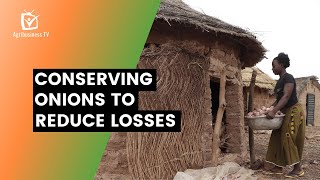 Burkina Faso: Conserving onions to reduce lossesAgribusiness TVPlay from here Loop
 - 30
 Benin: Processing vegetables to reduce lossesAgribusiness TVPlay from here Loop
 - 31
 Hydroponics - Marketing the ProductUF IFASPlay from here Loop
 - 32
 Selling Produce to Headwater Food Hub #1: Intro and Advantages of WholesalecornellsmallfarmsPlay from here Loop
 - 33
 Selling Produce to Headwater Food Hub #2: Expectations, Quality and PackagingcornellsmallfarmsPlay from here Loop
 - 34
 Selling Produce to Wegmans #1: Intro, Expectations, MarketingcornellsmallfarmsPlay from here Loop
 - 35
 Selling Produce to Wegmans #4: Advice for Growers New to WholesalecornellsmallfarmsPlay from here Loop
How does a vegetable farm make money?
Vegetable farms sell fresh produce to markets, shops, restaurants, wholesalers or straight to customers. Because vegetables spoil quickly, profit depends on planning what buyers want, steady harvests, and good storage and handling. Greenhouses and tunnels cost more to build but can extend the season and protect crops.
How do I use RepeatWatch to learn vegetable farming?
Play all on repeat as a course from soil to sale. Slow a lesson to 0.75× when noting a nutrient recipe or a spacing guide, or speed a review to 1.5×. A–B loop one demonstration, such as reading a soil test, and save the vegetable segments of long episodes on keys 1–9.
Frequently asked questions
Should I start in open fields or a greenhouse?
Many growers start with a small open plot or kitchen garden to learn soil, pests and selling before investing in a tunnel or greenhouse. Protected growing and hydroponics need more money and skill up front, so learn the basics first and visit working greenhouses.
Which rules apply to selling vegetables?
Food safety, pesticide use, organic labels and market licences differ by country. The Cornell food safety videos describe US buyer expectations, so check what your local markets, supermarkets and agriculture office require before you sell.
Is this legal, tax or financial advice?
No. These videos are educational and come from the channels that published them. They are not legal, tax or financial advice for your farm. Use them to learn, then talk to a local extension officer, agronomist or accountant before you invest.